




ReThink Health

Founded in 2007 and convened by the Rippel Foundation, ReThink Health brings together a highly diverse, dedicated and growing group of experienced leaders, thinkers and doers. They have committed to an action-research agenda to change our nation’s journey and destination related to health and to health care. The goal is to foster the thinking, understanding, leadership, tools and models that will lead to a sustainable health system for all Americans.
Since its beginning, ReThink Health’s approach has been informed by a valuable on-going exploration of examples of change achieved outside of the health care environment. Harvested from these examples are new ideas and approaches that can be brought to the nation’s pressing health challenges.
The discovery began with an in-depth study of energy reform with Amory Lovins, Chairman and Chief Scientist of the Rocky Mountain Institute (RMI). For a quarter-century, RMI’s concept of finding the best and cheapest way to do a desired task—rather than simply expanding supply without regard to the right amount, quality, and scale—has offered penetrating and successful insights into a wide range of resource issues.
During the “energy crises” of the 1970s, the instinctive response of American policymakers was to increase the supply. If the problem was that there was not enough energy, they reasoned then, the solution was to get more—of any kind, from any source, at any price.
As a young physicist, Amory Lovins wrote a paper questioning this “supply-side” strategy and suggesting that more attention be paid to demand. (“Energy Strategy: The Road Not Taken?” Foreign Affairs, 1976) People do not want kilowatts of electricity or barrels of oil, he wrote, but rather the “end-use services” they provide. They want lighting, heating, refrigeration, mobility. The trick is to reframe the question as, “What are we trying to do and what’s the best and cheapest way to do it?” Thus if people want hot showers and cold beer, one starts with these end-use services, then asks how much energy, of what kind, at what scale, and from what source, would do each desired task in the cheapest way.
Clearly, as a shared and common resource, the same questions apply to health.
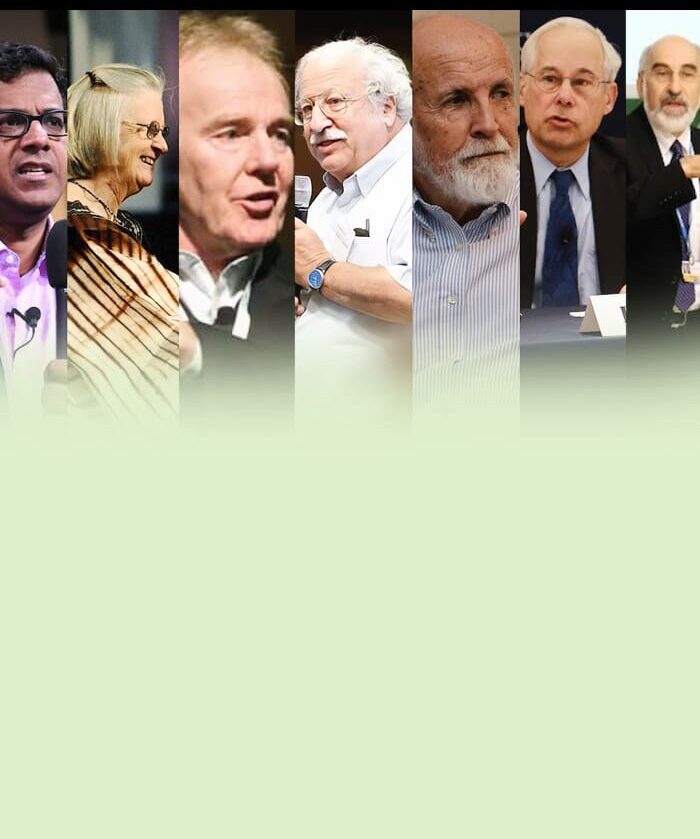
With this as a beginning, partnerships and action-research projects have been developed with some of our country’s notable change agents whose expertise in sectors outside of health care is being innovatively applied to the work of ReThink Health. Examples of these leaders include Don Berwick, Elliott Fisher, Marshall Ganz, Elinor Ostrom, Jay Ogilvy and Peter Senge, many of whom were also founding members of ReThink Health.
Guiding ReThink Health’s efforts are a philosophy of change and a set of core principles developed by those involved. The principles include:
- Better health, better care, lower costs
A sustainable health system can only be achieved by simultaneously addressing America’s need for better individual and population health, better health care, and lower costs. A focus on any single aim will almost certainly compromise the others over time. - Systems thinking by leaders working together across boundaries
The complex challenges before us can only be solved through sustained relationships among leaders from multiple organizations at the local, regional, state, national and/or international level who can work together across traditional boundaries to bring systems thinking to develop new structures, practices and policies. - Redesign to meet fundamental health needs at the lowest possible cost
A sustainable health care system must satisfy individuals’ needs – what they really want – at an affordable cost. This can only be achieved through rethinking and redesign. - National purpose, local action
Because health is supported and occurs within communities and most care is now and will almost certainly be delivered regionally, change must be driven at the local and community level with different places having different solutions yet unified by a shared purpose and supportive policy environment.
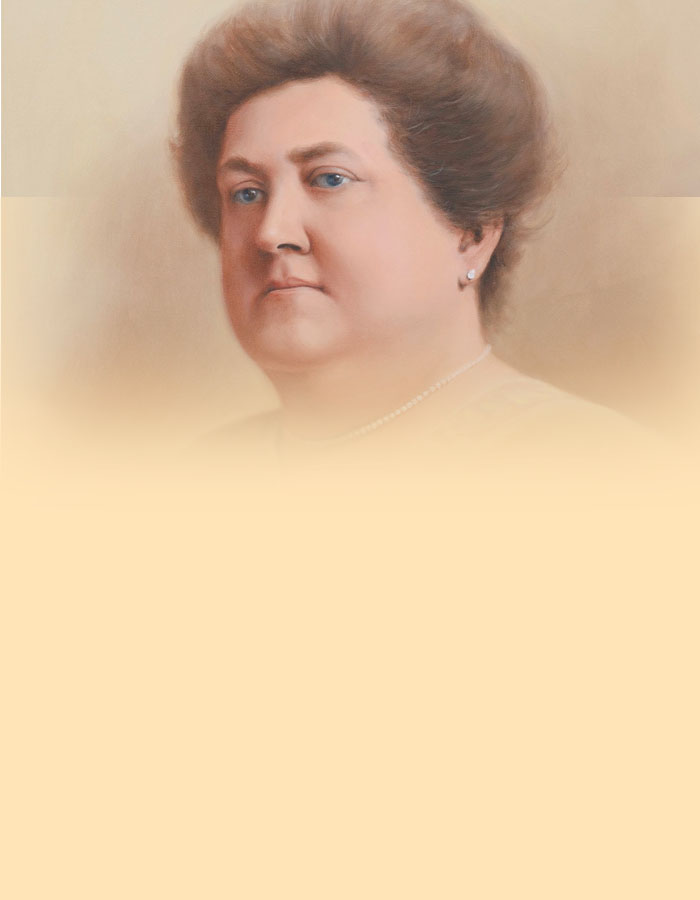
ReThink Health is inspired by the legacy of Julius A. Rippel, the first president of the Rippel Foundation, who in the 1960s foresaw that America was creating an unsustainable health care system. More than 45 years later, his predictions have come to pass and, surprisingly, we are having the same conversations about the possible solutions. Approaches being offered through traditional market and governmental approaches are to spend more or do less. But now, more than ever, the third path is the most viable – rethink and redesign.
By providing fresh and realistic approaches, ReThink Health believes it is possible to give Americans what they really want and need: to be as healthy as possible for as long as possible – and to be treated respectfully, quickly, compassionately, safely, effectively and affordably when sick.